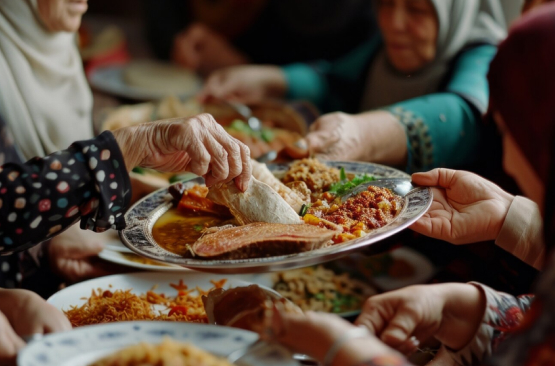
SURAKARTA – Eid al-Fitr is a time of joy, family reunions, and festive meals. While the celebration brings people together around a variety of traditional dishes, maintaining healthy eating habits remains essential to prevent health problems during the holiday. Rasendriya Hutomo, a fourth-semester student of the Public Health Study Program, Faculty of Health Sciences, Universitas Muhammadiyah Surakarta (UMS), shared practical tips to help the public enjoy Eid while staying healthy.
According to Rasendriya, one of the most common habits during Eid is overeating after completing a month of fasting during Ramadan. Consuming excessive amounts of high-fat and high-sugar foods may increase the risk of non-communicable diseases, including high cholesterol, hypertension, and digestive disorders.
“Eid is a moment to strengthen family ties and celebrate together—not to overindulge in food. Managing portion sizes is one of the simplest ways to maintain good health throughout the celebration,” he explained.
He encouraged people to serve themselves moderate portions and avoid overeating. Controlling portion sizes allows the body to digest food more efficiently while reducing the risk of elevated cholesterol levels caused by excessive consumption of fatty foods.
Rasendriya also emphasized the importance of meeting daily fiber requirements by consuming plenty of fruits and vegetables during the holiday. Adequate fiber intake supports healthy digestion, promotes a longer feeling of fullness, and helps regulate cholesterol and blood sugar levels.
In addition, he advised limiting the consumption of foods and beverages that are high in sugar and fat, such as traditional cookies, sweet drinks, coconut milk-based dishes, and other festive treats commonly served during Eid. Enjoying these foods in moderation is essential for maintaining metabolic health.
Another important recommendation is to avoid going to bed immediately after eating. Allowing sufficient time for digestion before resting helps the digestive system function properly and reduces the risk of gastrointestinal problems, including acid reflux.
Through these health messages, Rasendriya hopes that the public can celebrate Eid al-Fitr without compromising their well-being. He emphasized that maintaining a healthy lifestyle during the holiday does not mean avoiding traditional dishes, but rather enjoying them wisely and in balanced portions.
This educational initiative reflects the commitment of Public Health UMS students to promoting healthy lifestyles and improving public health literacy. In line with the principles of health promotion and disease prevention, these simple yet practical recommendations are expected to help the community celebrate Eid in a healthier, safer, and more enjoyable way.